Arba Minch University’s Institutional University Cooperation (AMU-IUC) project is a decade-long partnership with VLIR-UOS, aimed at strengthening education, research, and community engagement in the South Ethiopian Rift Valley. The project emphasises sustainable development, gender inclusion, and the translation of academic research into practical solutions for local communities. The annual Joint Steering Committee Meeting (JSCM) provides a vital platform for AMU and Flemish partners to review progress, share insights, and plan for the year ahead.
This collaboration brings together AMU faculty, researchers, and PhD students with experts from KU Leuven and other Flemish institutions. Workshops, field visits, and strategic discussions allow the JSCM to connect academic knowledge with real-world challenges. Through these exchanges, the project’s vision—improving social, economic, and environmental outcomes—takes tangible shape, benefiting both the university and surrounding communities.
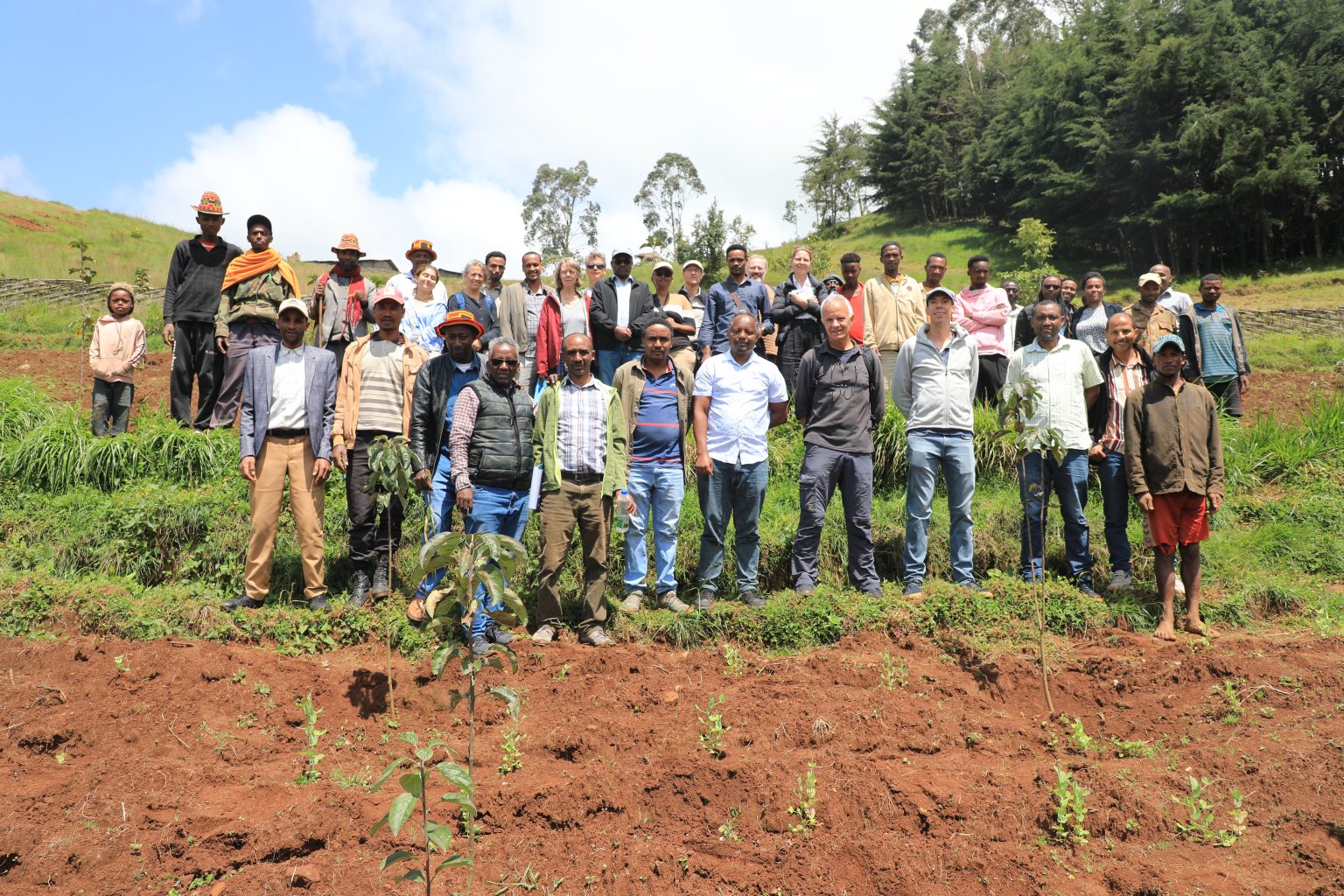
Managing a multi-institutional project like AMU-IUC presents challenges. Coordinating administrative procedures, aligning financial obligations, and maintaining communication across teams require careful planning. Without hands-on field engagement, progress can feel abstract, hidden in reports and emails. Visits to sites such as Gesha Forest and Kemele Oro in Geresse Woreda revealed tangible outcomes—check dams, nursery developments, and tree planting—that clarified achievements and motivated staff and partners. These experiences underscored the importance of combining rigorous planning with direct engagement to deliver meaningful community benefits.
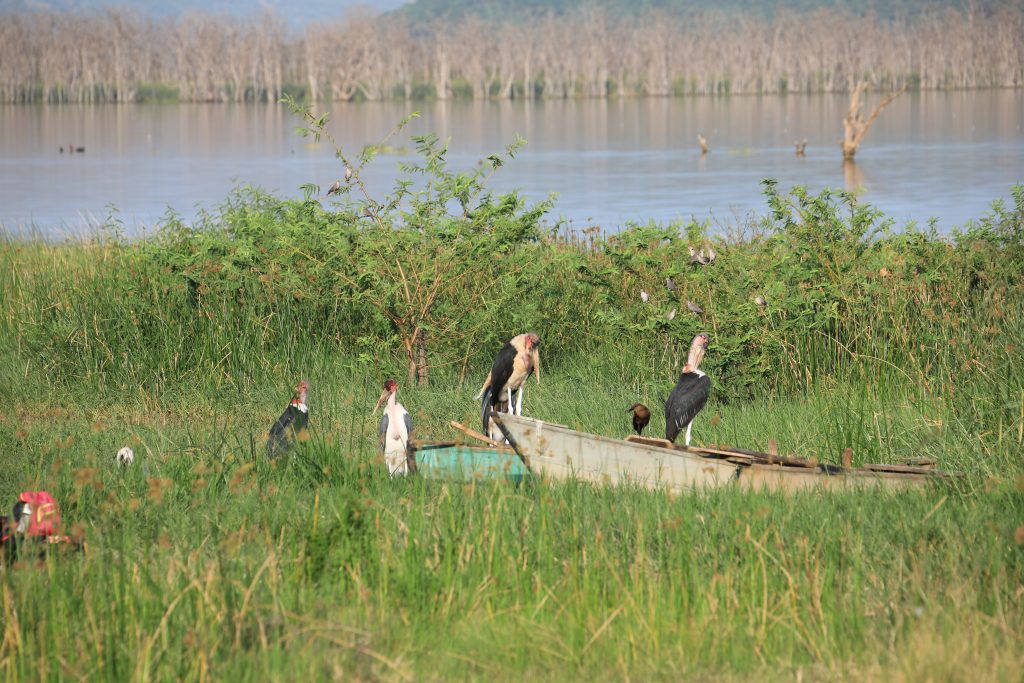
The project implements practical interventions across research, education, and community engagement. PhD students and researchers conducted workshops and field demonstrations on sustainable agriculture, nutrition, and environmental restoration. Lake Chamo, Gesha Forest, and Kemele Oro were transformed through gully rehabilitation, apple-based agroforestry, wetland management, and small-scale maize flour fortification. These activities turned abstract research into visible, tangible outcomes for local communities.
Stakeholders played active roles at every stage. PhD students like Muluken Bekele and Eshetu Zerihun from RSP3 applied research to benefit farmers, health professionals, and schoolchildren. Local partners, including cooperatives and village leaders, collaborated on tree-planting, soil conservation, and nutrition initiatives, ensuring the interventions were practical, culturally appropriate, and widely accepted. Institutional teams from AMU and Flemish universities coordinated logistics, provided technical guidance, and facilitated knowledge sharing.
Innovation supported these efforts. Drones mapped gullies, drip irrigation supported agroforestry, and fortified flour mixers enabled research to be tested in real settings. PhD graduates translated their academic work into workshops, hands-on training, and community outreach, bridging the gap between science and daily practice. The combination of technology, research expertise, and local engagement ensured solutions were effective and sustainable.
At the September 2024 JSCM, partners reviewed the year’s achievements. In Gesha, an extensive stretch of gully rehabilitation was completed with check dams, while Kemele Oro’s community nursery produced thousands of seedlings now planted for watershed restoration. Several PhD graduates from Phase One also organized multiple workshops and training sessions that reached hundreds of participants, including farmers, teachers, and health workers.
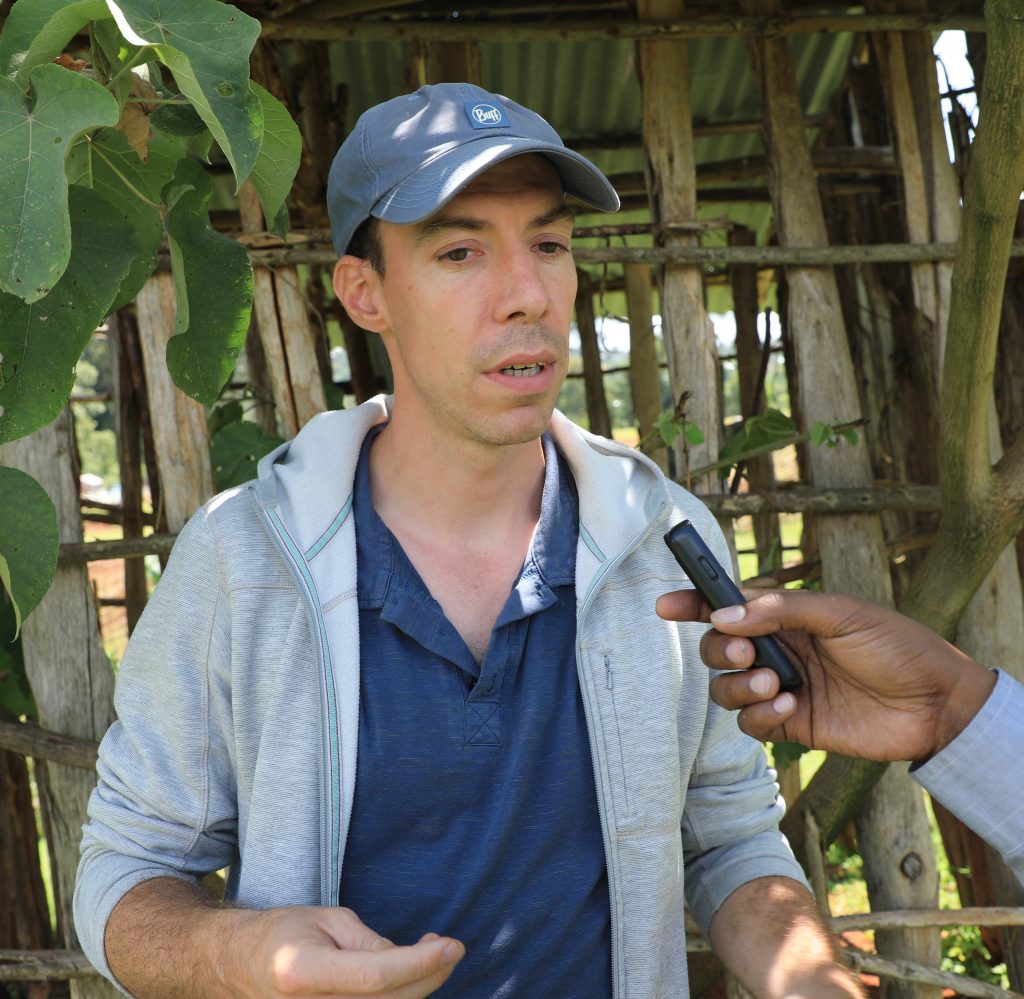
Reflecting on his experiences in JSCM week, Roeland Janssen, Flemish Project Manager, noted
“It is better when we can be together to see real, visible progress. Otherwise, all we have are emails and written reports, and that doesn’t make you understand what is really going on.”
The IUC project will consolidate Phase Two achievements and address pressing community and institutional needs. Successful interventions such as check dams and tree nurseries will be scaled up, and community engagement programs will connect research with local realities. AMU will continue strengthening administrative efficiency, knowledge-sharing, and transparent reporting. Tools like the IUC newsletter will expand communication, translating scientific findings into formats accessible to students, policymakers, and local communities. By linking research, practice, and dialogue, the project deepens its transformative role in university development and community resilience.