In the Gamo Zone of the South Ethiopia Regional State, digital learning has long felt like a distant possibility. Many schools lacked functional computer labs, reliable internet, and modern tools, leaving students dependent on chalkboards and photocopied handouts1. While classrooms elsewhere adopted online learning, local students struggled to access knowledge at a pace aligned with the modern world. This gap was more than technological—it shaped opportunity, confidence, and young people’s ability to participate fully in an increasingly connected era.
This reality was evident in everyday classroom experiences. Both students and teachers carried the burden of this divide. Students had limited opportunities to develop essential digital skills, while teachers spent extra hours reproducing outdated materials just to sustain lessons. Frustration was common, yet it was accompanied by a quiet determination. Teachers and students alike aspired to a learning environment that was more interactive, engaging, and reflective of the digital age.
Over the past two years, the AMU–IUC Project’s Transversal Institutional Strengthening sub-Project (TISP-1) has been spearheading changes in education, research, and community outreach at Arba Minch University (AMU), as well as in surrounding educational institutions across Arba Minch City and Zuria Woreda. Led by Prof. Dr. Frederik Quiester of Vrije Universiteit Brussels, Belgium, and Alazar Baharu of AMU, the project’s second phase has placed strong emphasis on community outreach. During this period, TISP-1 has made notable progress in upgrading ICT and library infrastructure and services, while also supporting the community’s adoption of new knowledge and technologies.
Building on this leadership, the growing demand for digital empowerment became a central driver of TISP-1’s work. Through coordinated planning, technical expertise, and resource alignment, the project enabled practical steps toward improving digital access for both students and teachers. This focused approach has opened pathways for schools and the university to engage more effectively with digital tools and systems.
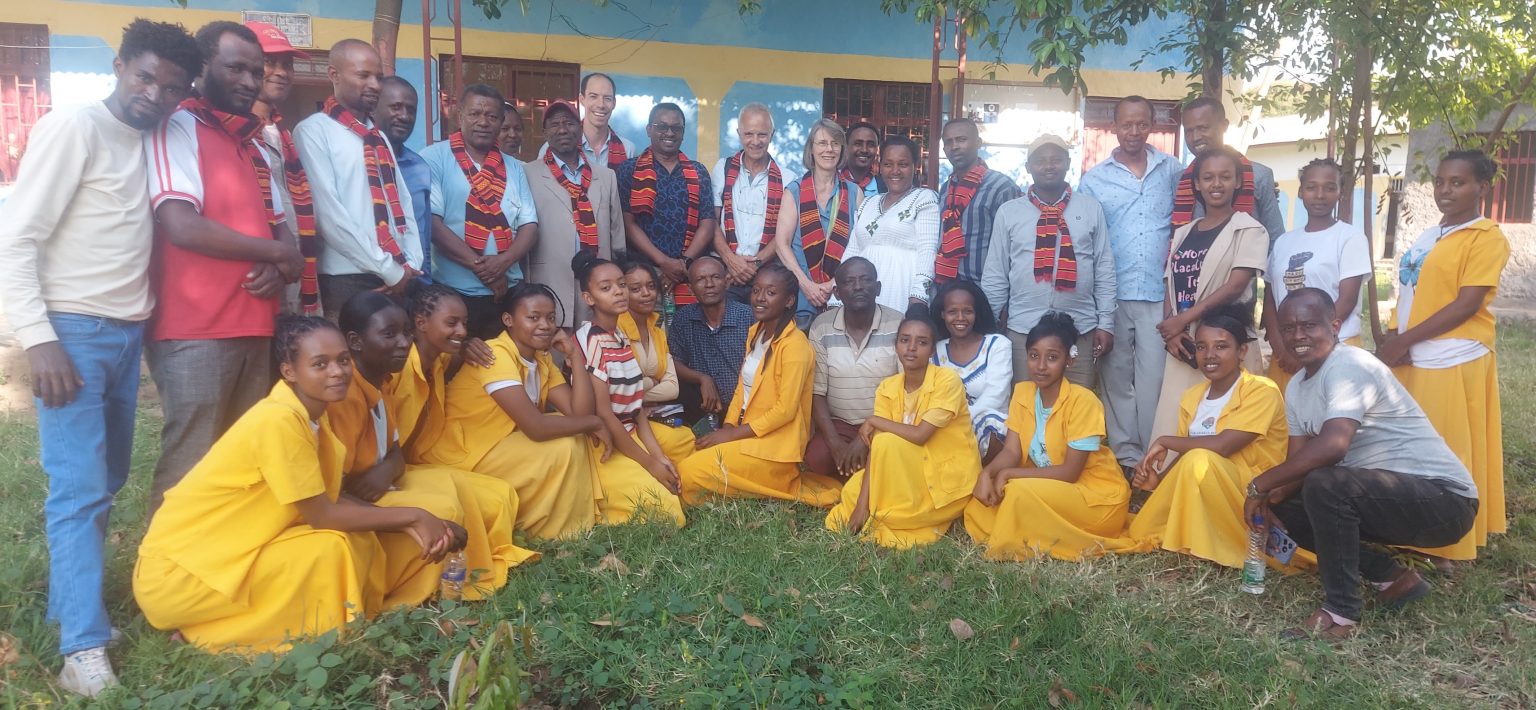
The reach of TISP-1 extends well beyond AMU. Its interventions now benefit a wide network of local institutions, including four (4) secondary schools—Arba Minch, Chamo, Shelle, and Lante—alongside Kemele Oro Primary and Middle School, Arba Minch Teachers’ Education College, Arba Minch Health Sciences College, and Arba Minch City Public Library.
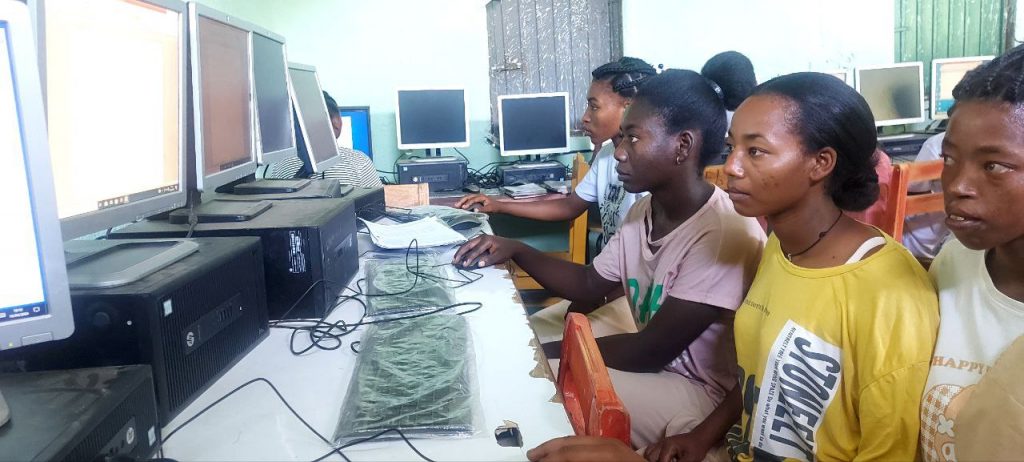
More than four (4) computer labs have been established across partner schools and the public library, each equipped with Wi-Fi access and strengthened network infrastructure. Lante Secondary School, now supported by a 20 Mbps connection—the fastest in the area—has emerged as a practical hub for digital engagement. Altogether, these interventions directly benefit an estimated 1,390 students and 350 teachers, providing access to online libraries, blended learning tools, and interactive resources that were previously unavailable.
As Alazar Baharu, Local Project Leader of TISP-1, noted, “We are seeing a new culture of digital learning emerge.” This transformation goes beyond infrastructure; it is gradually reshaping how teaching and learning take place.
Community engagement has been equally critical to the project’s success. Parents, local authorities, and school leadership have embraced the initiative, reinforcing its relevance and sustainability. Mr. Kafene Kassa, Director of Lante Secondary School, reflected this sentiment: “The new computer labs and high-speed internet are invaluable for student success.”
Deputy Local Project Leader Haileyesus Abera further underscored the project’s broader vision: “The broadband expansion enables the project to achieve its goal of launching blended e-learning and digital library services across partner institutions.” This collaborative approach ensured that solutions were not simply introduced but developed together with stakeholders, fostering a shared sense of ownership.
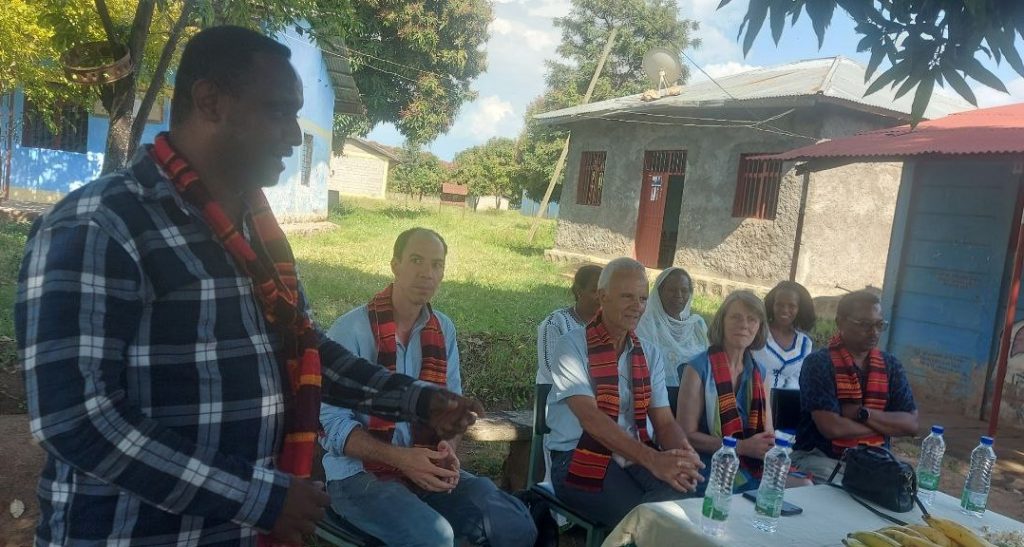
The outcome of these interventions is already visible. Students and teachers now have consistent access to computers, internet connectivity, and digital platforms. Trained staff are in place to maintain the systems and support their integration into daily teaching and learning activities. Recognition from local authorities and community members has strengthened the project’s credibility, while early results indicate improved student engagement and instructional practices.
With the necessary infrastructure, skills, and local ownership now established, TISP-1 partner institutions are well-positioned to sustain and build on these gains. As digital tools become an integral part of everyday learning, the foundation has been laid for a more inclusive, resilient, and future-ready education system in the Gamo Zone.